I keep coming back to this lemon pound cake loaf because it bakes up impossibly tender, buttery, and bright under a glossy sweet glaze. One slice looks simple, but the crumb and citrus shine make it impossible to stop at just one.
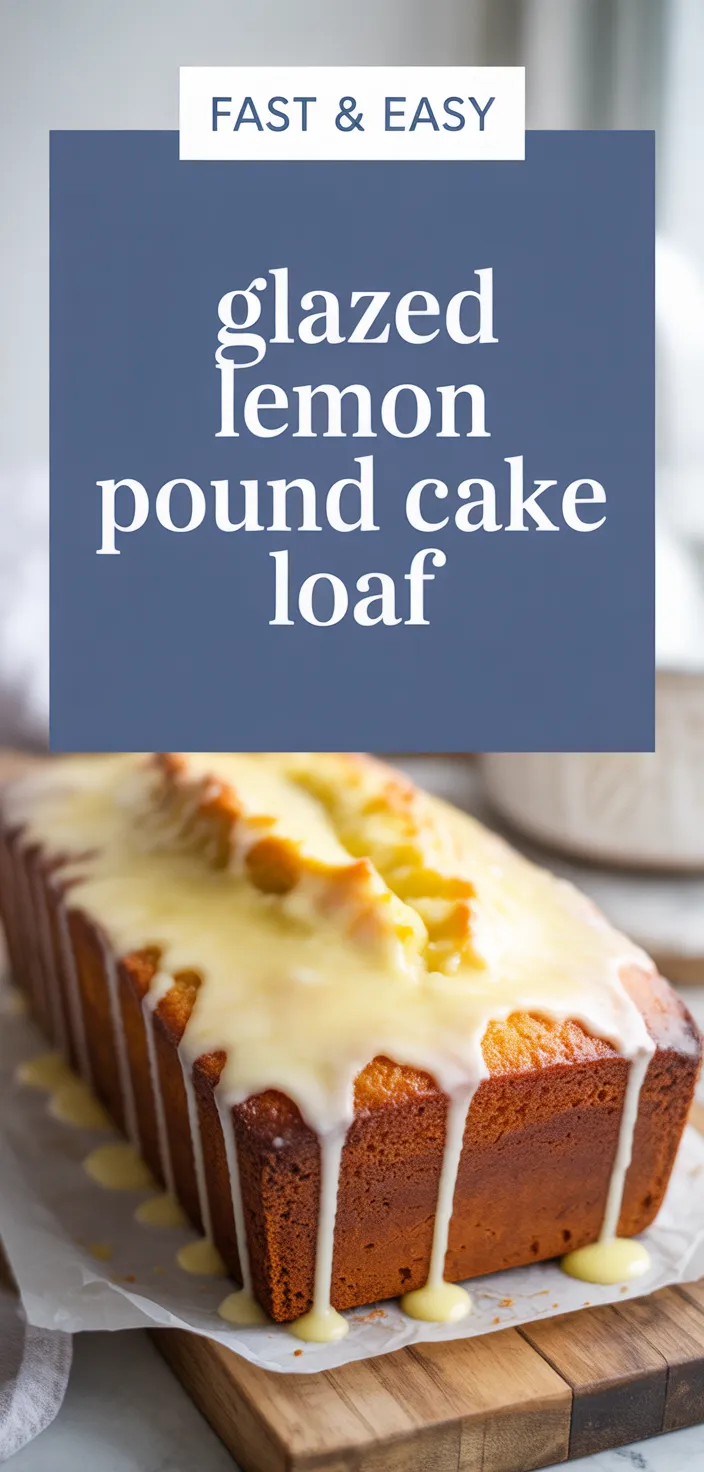
I’m obsessed with this glazed lemon pound cake loaf because it hits that sweet-tart spot without trying too hard. The crumb is dense in the best way, soft enough to slice clean but rich enough to feel like a proper treat.
I love how fresh lemon juice cuts through the sweetness, while sour cream keeps every bite tender and not dry. And that glossy glaze on top?
I want the corner slice every time. But honestly, I’ll take any slice.
Thick, bright, buttery, and just sticky enough on the fingers. Exactly the kind of cake I keep sneaking back for.
Ingredients
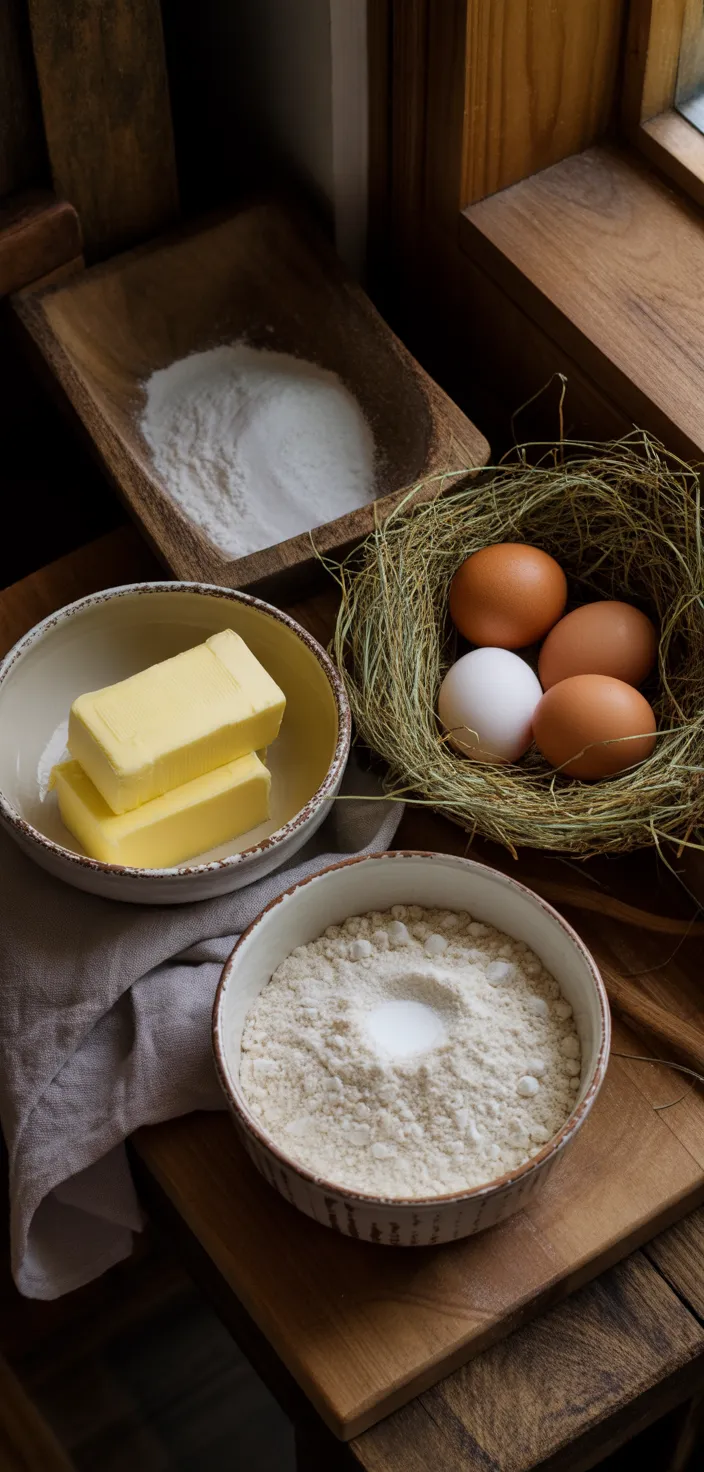
- Butter makes the loaf rich, soft, and honestly a little bakery-level.
- Granulated sugar brings sweetness and helps that golden crust happen.
- Eggs hold everything together and give the cake its sturdy, sliceable texture.
- All-purpose flour keeps it classic, tender, and not too fussy.
- Baking powder gives the loaf a gentle lift without making it airy.
- Fine salt keeps the sweetness from tasting flat.
Tiny but important.
- Sour cream adds moisture, tang, and that soft crumb everyone wants.
- Fresh lemon juice brings the bright, zippy flavor.
Bottled just won’t hit.
- Lemon zest is where the real lemon punch lives.
Don’t skip it.
- Vanilla smooths out the sharp lemon and makes it taste cozy.
- Milk loosens the batter so the loaf bakes up tender.
- Powdered sugar makes that sweet, crackly glaze you’ll want on every slice.
- Plus, extra lemon juice in the glaze keeps it fresh, not just sweet.
- Basically, milk can thin the glaze when it’s being stubborn.
Ingredient Quantities
- 1 cup (226 g) unsalted butter, softened
- 1 1/2 cups (300 g) granulated sugar
- 4 large eggs, room temperature
- 2 cups (240 g) all purpose flour, spooned and leveled
- 1 teaspoon baking powder
- 1/4 teaspoon fine salt
- 1/2 cup (120 g) sour cream, room temperature
- 1/4 cup (60 ml) fresh lemon juice, plus more for glaze
- 2 tablespoons lemon zest, from about 2 medium lemons
- 1 teaspoon vanilla extract
- 1/4 cup (60 ml) milk, room temperature
- For the glaze: 1 to 1 1/2 cups (120 to 180 g) powdered sugar
- For the glaze: 2 to 3 tablespoons fresh lemon juice
- For the glaze: 1 teaspoon lemon zest, optional
- For the glaze: 1 tablespoon milk, if needed to thin
How to Make this
1. Preheat oven to 350 F (175 C). Grease and line a 9×5 inch loaf pan with parchment, leaving an overhang for easy removal.
2. In a bowl whisk together 2 cups all purpose flour, 1 teaspoon baking powder, and 1/4 teaspoon fine salt; set aside.
3. In a large bowl using a mixer, cream 1 cup (226 g) softened unsalted butter with 1 1/2 cups (300 g) granulated sugar until light and fluffy, about 3 to 4 minutes.
4. Add 4 large eggs one at a time, beating well after each addition and scraping the bowl as needed.
5. Stir in 1/4 cup (60 ml) fresh lemon juice, 2 tablespoons lemon zest, and 1 teaspoon vanilla extract until combined.
6. Add the dry ingredients in three additions, alternating with 1/2 cup (120 g) sour cream and ending with the flour mixture; mix just until incorporated. If batter seems very thick, stir in 1/4 cup (60 ml) milk to loosen to a spreadable loaf batter.
7. Pour batter into prepared pan, smooth the top, and bake 50 to 65 minutes or until a toothpick inserted in the center comes out with a few moist crumbs. Rotate pan halfway through baking if your oven bakes unevenly.
8. Let the loaf cool in the pan on a wire rack for 10 to 15 minutes, then lift out using the parchment and cool completely on the rack.
9. While the cake cools, make the glaze by whisking 1 to 1 1/2 cups (120 to 180 g) powdered sugar with 2 to 3 tablespoons fresh lemon juice, add 1 teaspoon lemon zest if using, and stir in up to 1 tablespoon milk only if needed to reach a pourable consistency.
10. Spoon or drizzle the glaze over the cooled loaf, allow it to set 15 to 30 minutes, slice, and serve.
Equipment Needed
1. Oven
2. 9×5 inch loaf pan
3. Parchment paper
4. Stand mixer or hand mixer
5. Mixing bowls (small and large)
6. Measuring cups and spoons
7. Rubber spatula and wooden spoon
8. Whisk and toothpick for testing doneness
9. Microplane or zester
10. Wire cooling rack
FAQ
Glazed Lemon Pound Cake Loaf Recipe Substitutions and Variations
- Unsalted butter
- Lightly flavored vegetable oil (canola or sunflower), use 3/4 cup by volume for 1 cup butter, gives moist crumb
- Coconut oil, solid at room temperature, 1:1 substitution, adds subtle coconut note
- European style or salted butter, 1:1, reduce added salt slightly if using salted
- Margarine, 1:1, for dairy-free option check for suitable type
- Sour cream
- Full fat Greek yogurt, 1:1, similar tang and texture
- Crème fraîche, 1:1, slightly richer and less tangy
- Buttermilk, use 1/2 cup buttermilk plus 1/4 cup butter or oil to match fat if needed
- All purpose flour
- Cake flour, use 1 1/4 cups cake flour for 1 cup all purpose, yields lighter crumb
- Whole wheat pastry flour, use 100 percent substitution for slightly denser, nuttier loaf
- Gluten free 1-to-1 baking blend, use cup for cup, ensure blend contains xanthan or add 1/4 teaspoon per cup
- Eggs
- Commercial egg replacer (powder), follow package for 4 eggs, binds and leavens
- Flax “eggs”: 4 tablespoons ground flaxseed mixed with 12 tablespoons warm water, let sit 5 minutes
- Applesauce, 1/4 cup per egg, yields a moister, slightly denser cake
Pro Tips
1. Bring eggs, sour cream and milk to room temperature before you start. Cold ingredients make the batter seize and the texture can end up dense. Room-temp ingredients blend more smoothly and give a lighter crumb.
2. Zest the lemons before juicing them, and use a microplane so you get fluffy, fragrant zest without the bitter pith. Measure the zest after zesting so you don’t accidentally shortchange the recipe.
3. Don’t overmix once you add the flour. Fold in the dry ingredients in stages and stop as soon as you don’t see streaks of flour. Overworking develops gluten and makes a tough loaf.
4. Keep an eye on the oven in the last 15 minutes. If the top is browning too quickly, tent with foil. Test for doneness with a toothpick or an instant read thermometer about 205 F in the center; a few moist crumbs clinging to the toothpick are perfect.
5. For extra lemon impact and a moister result, warm 2 tablespoons of lemon juice with 1 tablespoon sugar until dissolved and brush it over the warm loaf right after it comes out of the pan. Let it soak in while the loaf cools, then add the glaze.
Glazed Lemon Pound Cake Loaf Recipe
I keep coming back to this lemon pound cake loaf because it bakes up impossibly tender, buttery, and bright under a glossy sweet glaze. One slice looks simple, but the crumb and citrus shine make it impossible to stop at just one.
12
servings
405
kcal
Equipment: 1. Oven
2. 9×5 inch loaf pan
3. Parchment paper
4. Stand mixer or hand mixer
5. Mixing bowls (small and large)
6. Measuring cups and spoons
7. Rubber spatula and wooden spoon
8. Whisk and toothpick for testing doneness
9. Microplane or zester
10. Wire cooling rack
Ingredients
-
1 cup (226 g) unsalted butter, softened
-
1 1/2 cups (300 g) granulated sugar
-
4 large eggs, room temperature
-
2 cups (240 g) all purpose flour, spooned and leveled
-
1 teaspoon baking powder
-
1/4 teaspoon fine salt
-
1/2 cup (120 g) sour cream, room temperature
-
1/4 cup (60 ml) fresh lemon juice, plus more for glaze
-
2 tablespoons lemon zest, from about 2 medium lemons
-
1 teaspoon vanilla extract
-
1/4 cup (60 ml) milk, room temperature
-
For the glaze: 1 to 1 1/2 cups (120 to 180 g) powdered sugar
-
For the glaze: 2 to 3 tablespoons fresh lemon juice
-
For the glaze: 1 teaspoon lemon zest, optional
-
For the glaze: 1 tablespoon milk, if needed to thin
Directions
- Preheat oven to 350 F (175 C). Grease and line a 9×5 inch loaf pan with parchment, leaving an overhang for easy removal.
- In a bowl whisk together 2 cups all purpose flour, 1 teaspoon baking powder, and 1/4 teaspoon fine salt; set aside.
- In a large bowl using a mixer, cream 1 cup (226 g) softened unsalted butter with 1 1/2 cups (300 g) granulated sugar until light and fluffy, about 3 to 4 minutes.
- Add 4 large eggs one at a time, beating well after each addition and scraping the bowl as needed.
- Stir in 1/4 cup (60 ml) fresh lemon juice, 2 tablespoons lemon zest, and 1 teaspoon vanilla extract until combined.
- Add the dry ingredients in three additions, alternating with 1/2 cup (120 g) sour cream and ending with the flour mixture; mix just until incorporated. If batter seems very thick, stir in 1/4 cup (60 ml) milk to loosen to a spreadable loaf batter.
- Pour batter into prepared pan, smooth the top, and bake 50 to 65 minutes or until a toothpick inserted in the center comes out with a few moist crumbs. Rotate pan halfway through baking if your oven bakes unevenly.
- Let the loaf cool in the pan on a wire rack for 10 to 15 minutes, then lift out using the parchment and cool completely on the rack.
- While the cake cools, make the glaze by whisking 1 to 1 1/2 cups (120 to 180 g) powdered sugar with 2 to 3 tablespoons fresh lemon juice, add 1 teaspoon lemon zest if using, and stir in up to 1 tablespoon milk only if needed to reach a pourable consistency.
- Spoon or drizzle the glaze over the cooled loaf, allow it to set 15 to 30 minutes, slice, and serve.
Notes
- Below you’ll find my best estimate of this recipe’s nutrition facts. Treat the numbers as a guide rather than a rule—great food should nourish both body and spirit. Figures are approximate, and the website owner assumes no liability for any inaccuracies in this recipe.
Nutrition Facts
- Serving Size: 118g
- Total number of serves: 12
- Calories: 405kcal
- Fat: 19.4g
- Saturated Fat: 11.5g
- Trans Fat: 0.23g
- Polyunsaturated: 0.77g
- Monounsaturated: 4.8g
- Cholesterol: 105mg
- Sodium: 76.5mg
- Potassium: 78.1mg
- Carbohydrates: 53.7g
- Fiber: 0.63g
- Sugar: 38.3g
- Protein: 4.63g
- Vitamin A: 590IU
- Vitamin C: 4.5mg
- Calcium: 37.3mg
- Iron: 1.13mg