I finally nailed a Beef Lo Mein Recipe that makes takeout look sad and I’m never ordering noodles again.
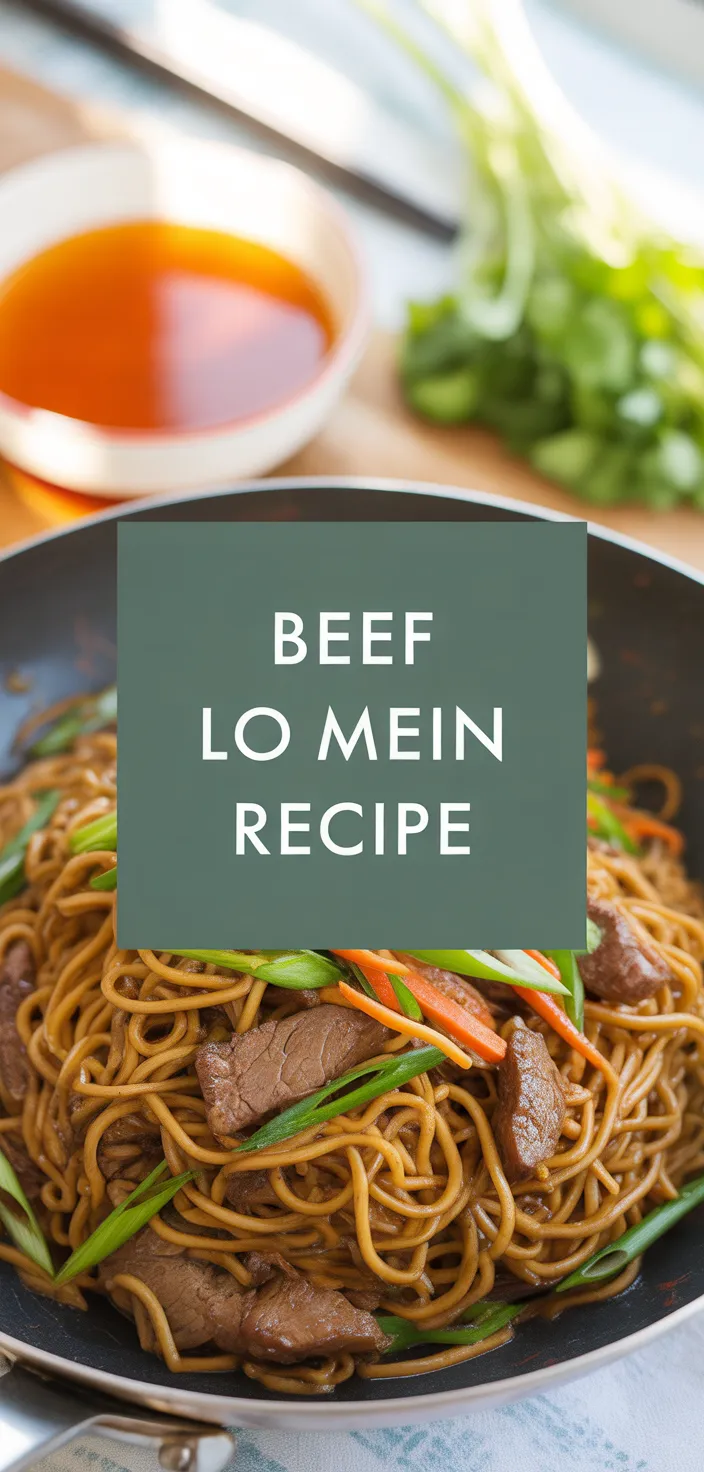
I can’t shut up about this Beef Lo Mein Recipe because it actually tastes like the good takeout but better, with greasy-sweet sauce clinging to lo mein noodles and tender flank steak that fights for center stage. I love the chew of the noodles and the salty, slightly sweet mess that gets on your fingers.
It’s loud, sloppy, and exactly what I want on a weeknight. I don’t care if it’s basic.
It’s an Easy Chinese Recipes win in my book. Eat it fast.
Fight over the last bite. No regrets.
Make no plans besides eating it in one sitting.
Ingredients
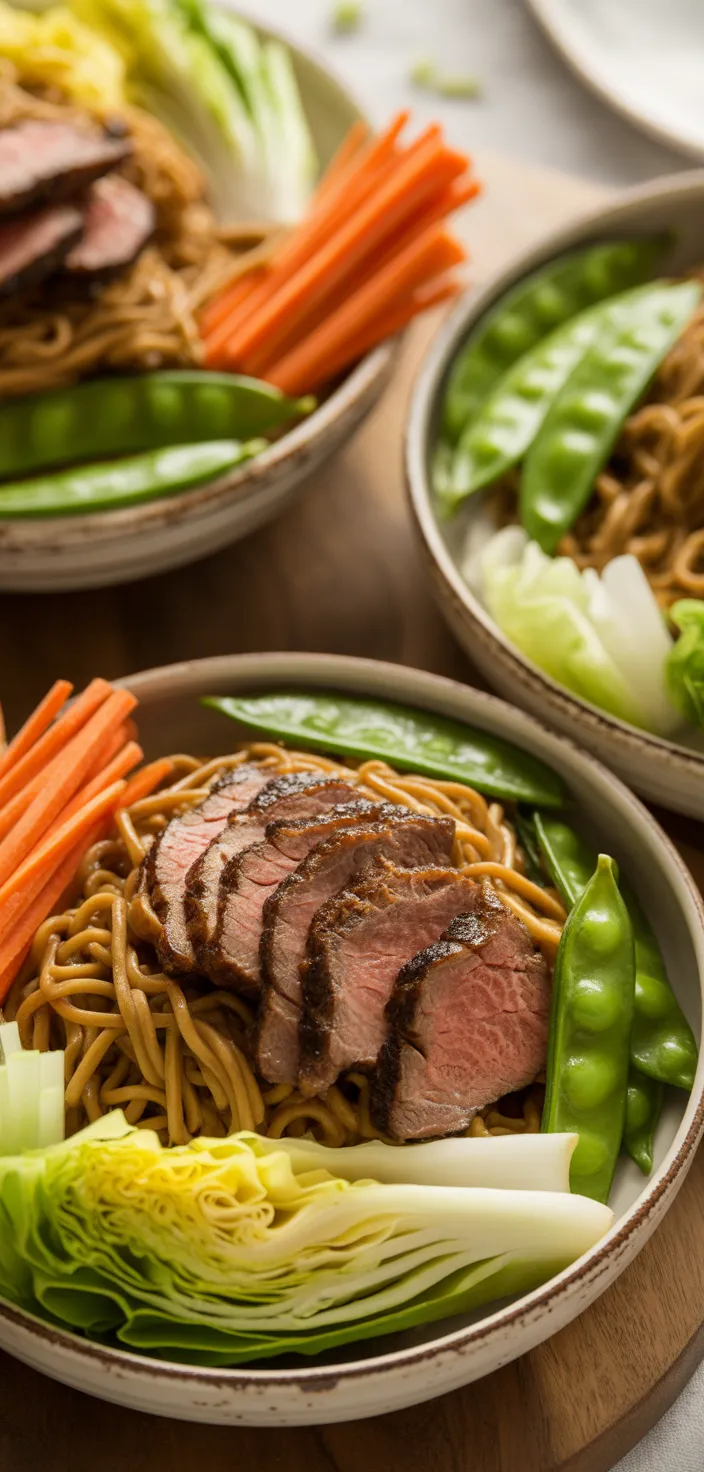
- Lo mein noodles or spaghetti: chewy, soak up sauce, feels like warm comfort in every bite.
- Flank steak, thinly sliced: meaty protein, slightly chewy, gives the dish real substance.
- Soy sauce: salty backbone, adds umami and that familiar savory kick you want.
- Oyster sauce: rich and slightly sweet, basically adds depth without being heavy.
- Shaoxing wine or dry sherry: brightens flavors, cuts richness, makes it taste restaurant-level.
- Toasted sesame oil: nutty finish, a little goes a long way for aroma.
- Cornstarch: thickens sauce, gives glossy cling to noodles and meat.
- Vegetable or canola oil: neutral frying oil, helps everything sear without burning.
- Garlic, minced: punchy and fragrant, it wakes up the whole dish.
- Ginger, minced: zesty warmth, cuts through richness and adds freshness.
- Yellow onion, thinly sliced: sweet bite when cooked, slightly crunchy if left crisp.
- Carrots, julienned: crunchy color, adds sweet snap and a fresh note.
- Napa cabbage or bok choy: leafy crunch, mild and slightly sweet, so light.
- Snow peas or sugar snap peas: bright, crisp pop, really fun to bite into.
- Scallions, sliced: sharp green finish, adds brightness and visual contrast.
- Granulated sugar: balances salt, brings subtle sweetness you might not notice.
- Chicken broth or water: loosens sauce, keeps things moist and saucy.
- Salt and pepper: basic seasoning, tweak to taste so it feels right.
- Sesame seeds (optional): little toasty crunch and a pretty sprinkle on top.
Ingredient Quantities
- 8 ounces lo mein noodles or spaghetti
- 12 ounces flank steak, thinly sliced across the grain
- 2 tablespoons soy sauce, divided
- 1 tablespoon oyster sauce
- 1 tablespoon Shaoxing wine or dry sherry
- 1 teaspoon toasted sesame oil
- 1 tablespoon cornstarch
- 2 tablespoons vegetable oil or canola oil
- 3 cloves garlic, minced
- 1 tablespoon fresh ginger, minced
- 1 medium yellow onion, thinly sliced
- 1 cup carrots, julienned or thinly sliced
- 1 cup Napa cabbage or bok choy, thinly sliced
- 1 cup snow peas or sugar snap peas, trimmed
- 3 scallions, sliced on the diagonal
- 2 teaspoons granulated sugar
- 1/4 cup low sodium chicken broth or water
- Salt and freshly ground black pepper, to taste
- Optional: 1 tablespoon sesame seeds for garnish
How to Make this
1. Bring a big pot of salted water to a boil; cook the lo mein noodles or spaghetti until just al dente according to package directions, drain and reserve about 1/4 cup of the cooking water, toss the noodles with a tiny drizzle of oil so they dont stick and set aside.
2. Thinly slice the flank steak across the grain and toss it in a bowl with 1 tablespoon soy sauce, the cornstarch, toasted sesame oil and a pinch of black pepper; let it sit while you prep veggies, at least 10 minutes so the cornstarch gives the beef a nice velvety coating.
3. Whisk together the sauce in a small bowl using the remaining 1 tablespoon soy sauce, oyster sauce, Shaoxing wine or dry sherry, 2 teaspoons sugar and the 1/4 cup low sodium chicken broth or water; set that next to the stove.
4. Heat a large wok or heavy skillet over high heat until very hot, add 1 tablespoon of the vegetable oil and quickly sear the beef in a single layer for 30 to 60 seconds per side until browned but not fully cooked; remove to a plate.
5. Add the remaining tablespoon oil to the wok, turn the heat to medium-high and stir fry the minced garlic and ginger just until fragrant, about 15 seconds, then toss in the sliced yellow onion and cook until slightly softened.
6. Add the carrots, Napa cabbage or bok choy and the snow peas or sugar snap peas, stir fry everything for 1 to 2 minutes so veggies stay crisp tender.
7. Return the beef to the wok, add the cooked noodles and pour the sauce over top; toss constantly to combine, using the reserved noodle water a splash at a time if you want looser sauce or to help everything coat evenly.
8. Cook and toss for another minute until the beef finishes cooking and the sauce slightly thickens and clings to the noodles; taste and adjust with salt, pepper or a little extra soy if needed.
9. Remove from heat, stir in the sliced scallions, drizzle a little more toasted sesame oil if you like and transfer to a serving platter.
10. Sprinkle with sesame seeds if using and serve immediately; this reheats well but is best eaten right away so the noodles stay tender not soggy.
Equipment Needed
1. Large pot for boiling noodles
2. Colander or strainer
3. Large wok or heavy skillet
4. Cutting board
5. Sharp chef’s knife
6. Small bowl and medium bowl for marinades and sauce
7. Measuring spoons and measuring cup
8. Spatula or wooden spoon for tossing
9. Tongs or long chopsticks for stirring and searing
FAQ
Beef Lo Mein Recipe Substitutions and Variations
- Lo mein noodles: use spaghetti, udon noodles, or thick chow mein noodles if you cant find lo mein. For a gluten free option try wide rice noodles.
- Flank steak: swap with skirt steak, sirloin tip, thinly sliced chicken breast, or firm tofu for a vegetarian version.
- Oyster sauce: substitute hoisin sauce, a mix of soy sauce plus a splash of fish sauce, or mushroom stir fry sauce for a similar umami hit.
- Shaoxing wine: use dry sherry, mirin, or a dry white wine. If you need non alcoholic, use low sodium chicken broth with a teaspoon of rice vinegar.
Pro Tips
1) Marinate the beef a bit longer if you can, like 20 to 30 minutes. The cornstarch+sauce needs time to make that silky coating, otherwise the meat can end up chewy.
2) Slice the steak paper thin and always cut across the grain. If you dont, even a quick sear feels like shoe leather. Freeze the steak for 15 minutes first to make thin slicing way easier.
3) Get the wok or pan screaming hot and dont overcrowd it. Cook the beef in batches if needed, you want quick browning not stewing, or everything turns grey and sad.
4) Use the reserved noodle water sparingly to loosen the sauce, a little goes a long way. Add it bit by bit so you dont make the noodles soggy, and finish with a small drizzle of sesame oil off the heat for a fragrant lift.
Beef Lo Mein Recipe
I finally nailed a Beef Lo Mein Recipe that makes takeout look sad and I’m never ordering noodles again.
4
servings
566
kcal
Equipment: 1. Large pot for boiling noodles
2. Colander or strainer
3. Large wok or heavy skillet
4. Cutting board
5. Sharp chef’s knife
6. Small bowl and medium bowl for marinades and sauce
7. Measuring spoons and measuring cup
8. Spatula or wooden spoon for tossing
9. Tongs or long chopsticks for stirring and searing
Ingredients
-
8 ounces lo mein noodles or spaghetti
-
12 ounces flank steak, thinly sliced across the grain
-
2 tablespoons soy sauce, divided
-
1 tablespoon oyster sauce
-
1 tablespoon Shaoxing wine or dry sherry
-
1 teaspoon toasted sesame oil
-
1 tablespoon cornstarch
-
2 tablespoons vegetable oil or canola oil
-
3 cloves garlic, minced
-
1 tablespoon fresh ginger, minced
-
1 medium yellow onion, thinly sliced
-
1 cup carrots, julienned or thinly sliced
-
1 cup Napa cabbage or bok choy, thinly sliced
-
1 cup snow peas or sugar snap peas, trimmed
-
3 scallions, sliced on the diagonal
-
2 teaspoons granulated sugar
-
1/4 cup low sodium chicken broth or water
-
Salt and freshly ground black pepper, to taste
-
Optional: 1 tablespoon sesame seeds for garnish
Directions
- Bring a big pot of salted water to a boil; cook the lo mein noodles or spaghetti until just al dente according to package directions, drain and reserve about 1/4 cup of the cooking water, toss the noodles with a tiny drizzle of oil so they dont stick and set aside.
- Thinly slice the flank steak across the grain and toss it in a bowl with 1 tablespoon soy sauce, the cornstarch, toasted sesame oil and a pinch of black pepper; let it sit while you prep veggies, at least 10 minutes so the cornstarch gives the beef a nice velvety coating.
- Whisk together the sauce in a small bowl using the remaining 1 tablespoon soy sauce, oyster sauce, Shaoxing wine or dry sherry, 2 teaspoons sugar and the 1/4 cup low sodium chicken broth or water; set that next to the stove.
- Heat a large wok or heavy skillet over high heat until very hot, add 1 tablespoon of the vegetable oil and quickly sear the beef in a single layer for 30 to 60 seconds per side until browned but not fully cooked; remove to a plate.
- Add the remaining tablespoon oil to the wok, turn the heat to medium-high and stir fry the minced garlic and ginger just until fragrant, about 15 seconds, then toss in the sliced yellow onion and cook until slightly softened.
- Add the carrots, Napa cabbage or bok choy and the snow peas or sugar snap peas, stir fry everything for 1 to 2 minutes so veggies stay crisp tender.
- Return the beef to the wok, add the cooked noodles and pour the sauce over top; toss constantly to combine, using the reserved noodle water a splash at a time if you want looser sauce or to help everything coat evenly.
- Cook and toss for another minute until the beef finishes cooking and the sauce slightly thickens and clings to the noodles; taste and adjust with salt, pepper or a little extra soy if needed.
- Remove from heat, stir in the sliced scallions, drizzle a little more toasted sesame oil if you like and transfer to a serving platter.
- Sprinkle with sesame seeds if using and serve immediately; this reheats well but is best eaten right away so the noodles stay tender not soggy.
Notes
- Below you’ll find my best estimate of this recipe’s nutrition facts. Treat the numbers as a guide rather than a rule—great food should nourish both body and spirit. Figures are approximate, and the website owner assumes no liability for any inaccuracies in this recipe.
Nutrition Facts
- Serving Size: 275g
- Total number of serves: 4
- Calories: 566kcal
- Fat: 14g
- Saturated Fat: 2.5g
- Trans Fat: 0.2g
- Polyunsaturated: 4g
- Monounsaturated: 6g
- Cholesterol: 70mg
- Sodium: 690mg
- Potassium: 700mg
- Carbohydrates: 54g
- Fiber: 4g
- Sugar: 5g
- Protein: 28g
- Vitamin A: 2088IU
- Vitamin C: 6mg
- Calcium: 100mg
- Iron: 2.5mg