I made a Pasta Primavera Recipe that turns a junk drawer of summer veggies into silky lemon-parmesan magic my family actually argued over, so keep scrolling.
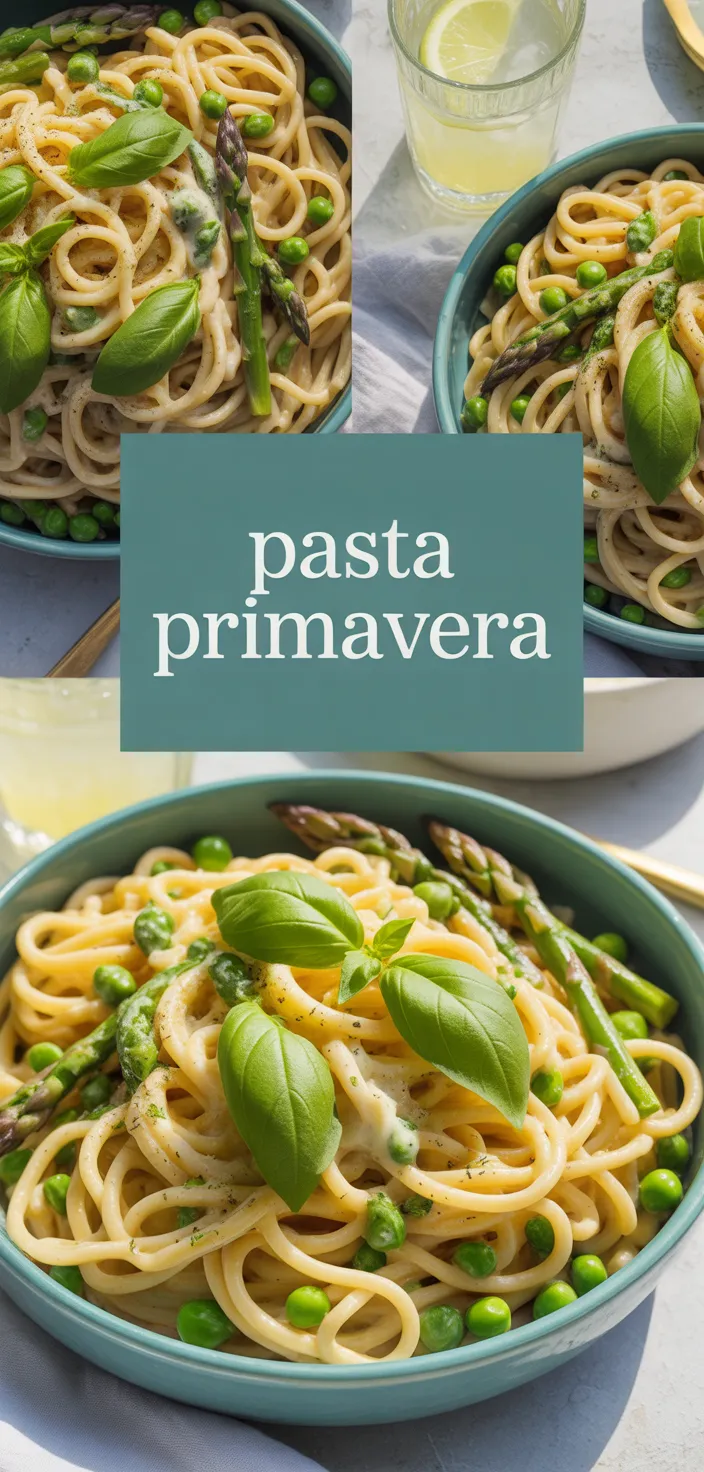
I’m obsessed with this Pasta Primavera Recipe because it tastes like summer smashed into a bowl and refuses to be ignored. I love that the bright snap of cherry tomatoes and the silky hit of heavy cream actually work together without being sickly.
It’s loud, fresh, and the herbs make it sing. I don’t care if people call it simple.
I want seconds. This Veggie Pasta feels like an honest dinner that adults and kids both eat without complaint.
Save your fancy plates. Give me a big fork and a mess on my face.
I’ll be licking the bowl too.
Ingredients
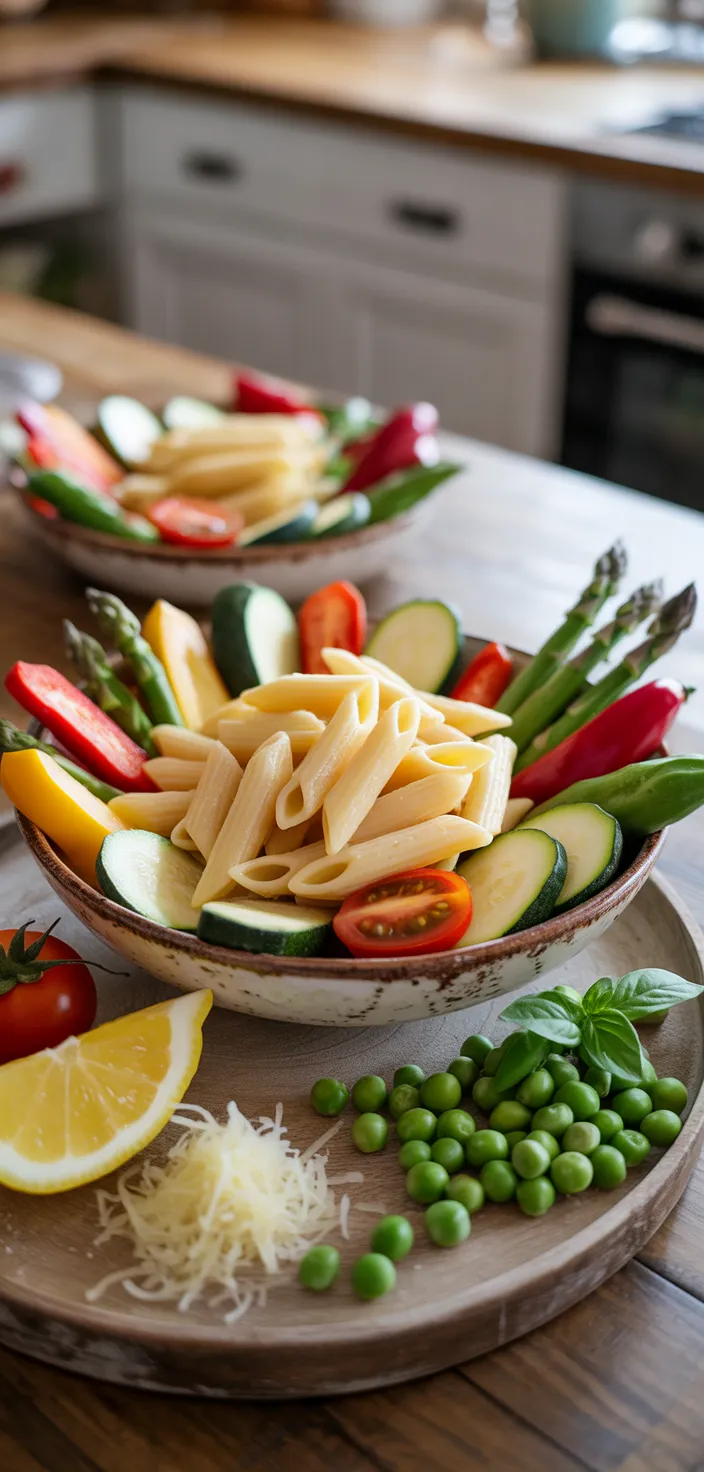
- Penne/fettuccine/farfalle: the comfort base that soaks up all the sauce.
- Olive oil: adds a fruity, smooth backbone to everything.
Simple and cozy.
- Butter: gives silk and a little richness.
Basically, comfort in spoon form.
- Garlic: punchy aroma that wakes the whole dish up.
You’ll smell it.
- Shallot: milder onion vibe, a little sweetness and subtle depth.
- Cherry tomatoes: juicy pops of brightness and color throughout the plate.
- Zucchini: tender bite, a light, fresh texture that won’t weigh you down.
- Yellow squash: soft and mild, pairs nicely with zucchini for balance.
- Asparagus: snappy stalks, slightly grassy and surprisingly elegant.
- Red bell pepper: sweet crunch and sunny color, kids usually love it.
- Frozen peas: little green surprises, slight sweetness, and veggie nostalgia.
- Heavy cream: makes the sauce lush and silky, almost dessert-like.
- Broth: thins the cream, keeps things savory without being heavy.
- Parmesan: salty, nutty finish that ties everything together.
Extra for serving.
- Lemon zest: bright, aromatic lift without watering things down.
Freshness booster.
- Lemon juice: adds zing and cuts through the creaminess.
It’s lively.
- Basil: herbaceous, sweet leaves that smell like summer.
Tear them in.
- Parsley: fresh green notes, cleans the palate between bites.
- Red pepper flakes: optional heat; a little goes a long way.
Adds kick.
- Salt and black pepper: basic seasoning that actually makes everything taste right.
- Reserved pasta water: starchy magic for smoothing sauce and helping it cling.
Ingredient Quantities
- 12 ounces pasta (penne, fettuccine, or farfalle)
- 2 tablespoons olive oil
- 1 tablespoon butter
- 3 cloves garlic, minced
- 1 small shallot, finely chopped
- 1 cup cherry tomatoes, halved
- 1 medium zucchini, sliced into half moons
- 1 medium yellow squash, sliced into half moons
- 1 bunch asparagus, woody ends trimmed and cut into 1 inch pieces (about 1 1/2 cups)
- 1 red bell pepper, thinly sliced
- 1 cup frozen peas, thawed
- 1 cup heavy cream
- 1/2 cup low sodium vegetable or chicken broth
- 1/2 cup freshly grated Parmesan cheese, plus extra for serving
- Zest of 1 lemon and 2 tablespoons fresh lemon juice
- 1/4 cup fresh basil, roughly chopped
- 2 tablespoons fresh parsley, chopped
- 1/4 teaspoon red pepper flakes, optional
- Salt and freshly ground black pepper, to taste
- Reserved pasta cooking water, about 1/2 cup
How to Make this
1. Bring a large pot of salted water to a rolling boil and cook 12 ounces pasta according to package directions until just al dente; before draining reserve about 1/2 cup of the pasta cooking water and then drain the pasta.
2. While the pasta cooks heat 2 tablespoons olive oil and 1 tablespoon butter in a large skillet over medium-high heat until butter foams, then add 3 cloves minced garlic and 1 small finely chopped shallot and sauté about 30 seconds to 1 minute until fragrant but not browned.
3. Add 1 cup cherry tomatoes (halved) and cook 1 to 2 minutes until they start to soften and blister; scoop them out onto a plate to keep for later so they don’t overcook.
4. In the same skillet add the zucchini, yellow squash, asparagus pieces and 1 red bell pepper; sauté 4 to 6 minutes until they are tender crisp. You want some bite left so they dont turn to mush.
5. Stir in 1 cup frozen peas and the reserved tomatoes, cook another 1 minute to heat the peas through.
6. Lower the heat to medium and pour in 1/2 cup low sodium vegetable or chicken broth and 1 cup heavy cream; stir and let it come to a gentle simmer so the sauce thickens slightly, about 2 to 3 minutes.
7. Whisk in 1/2 cup freshly grated Parmesan cheese, the zest of 1 lemon and 2 tablespoons fresh lemon juice; season with salt, freshly ground black pepper and 1/4 teaspoon red pepper flakes if using. Taste and adjust seasoning, remember Parmesan adds salt so go easy.
8. Add the cooked pasta to the skillet and toss to coat, adding reserved pasta cooking water a little at a time to loosen the sauce until it clings to the pasta but is still saucy.
9. Remove from heat and stir in 1/4 cup roughly chopped fresh basil and 2 tablespoons chopped fresh parsley; finish with a small pat of butter if you want extra silkiness and give one last toss.
10. Serve immediately with extra grated Parmesan on top, a crack of black pepper and an extra sprinkle of fresh herbs. Leftovers keep ok in the fridge but the veggies get softer, reheat gently so the cream doesnt split.
Equipment Needed
1. Large pot for boiling the pasta (with lid)
2. Colander to drain pasta and reserve some cooking water
3. Large skillet or sauté pan for the sauce and veggies
4. Chef’s knife for chopping veggies and herbs
5. Cutting board
6. Wooden spoon or heatproof spatula for stirring and tossing
7. Measuring cups and spoons for cream, broth, cheese and seasonings
8. Microplane or fine grater for Parmesan and lemon zest
FAQ
Pasta Primavera Recipe Substitutions and Variations
- 12 ounces pasta (penne, fettuccine, or farfalle): swap with 12 oz whole wheat or gluten-free pasta for a healthier or gluten-free option; or use short rice noodles for a lighter, slightly different texture.
- 1 cup heavy cream: substitute with 1 cup half-and-half plus 2 tablespoons butter for richness without as much fat; or use 1 cup canned coconut milk for a dairy-free, slightly sweet twist.
- 1/2 cup freshly grated Parmesan cheese: replace with 1/2 cup Pecorino Romano for a saltier, sharper flavor; or use nutritional yeast 1/4 cup plus a tablespoon of olive oil for a vegan alternative.
- 1 bunch asparagus: swap with green beans or broccolini cut into similar lengths; or use 1 1/2 cups cauliflower florets for a heartier, roasted-note texture.
Pro Tips
1) Salt the pasta water like the sea. It makes the pasta itself flavorful so you dont have to pile on salt later. Also save a little extra of that starchy cooking water than you think youll need — it helps the sauce cling and fixes if its too thick.
2) Don’t overcook the veggies. Sauté until theyre tender crisp so you still get texture and color. If some pieces finish faster, pull them out and add back later like you would the tomatoes so nothing turns to mush.
3) Add the cream off the highest heat and let it just simmer gently. Boiling hard will make it split. If it starts to look grainy, lower the heat and whisk in a splash of the reserved pasta water or broth and a pat of butter to bring it back together.
4) Finish with acid and herbs at the end, not the start. Lemon zest, lemon juice and fresh basil brighten everything. Add them right before serving so the flavors stay fresh and the herbs dont wilt into nothing.
Pasta Primavera Recipe
I made a Pasta Primavera Recipe that turns a junk drawer of summer veggies into silky lemon-parmesan magic my family actually argued over, so keep scrolling.
4
servings
734
kcal
Equipment: 1. Large pot for boiling the pasta (with lid)
2. Colander to drain pasta and reserve some cooking water
3. Large skillet or sauté pan for the sauce and veggies
4. Chef’s knife for chopping veggies and herbs
5. Cutting board
6. Wooden spoon or heatproof spatula for stirring and tossing
7. Measuring cups and spoons for cream, broth, cheese and seasonings
8. Microplane or fine grater for Parmesan and lemon zest
Ingredients
-
12 ounces pasta (penne, fettuccine, or farfalle)
-
2 tablespoons olive oil
-
1 tablespoon butter
-
3 cloves garlic, minced
-
1 small shallot, finely chopped
-
1 cup cherry tomatoes, halved
-
1 medium zucchini, sliced into half moons
-
1 medium yellow squash, sliced into half moons
-
1 bunch asparagus, woody ends trimmed and cut into 1 inch pieces (about 1 1/2 cups)
-
1 red bell pepper, thinly sliced
-
1 cup frozen peas, thawed
-
1 cup heavy cream
-
1/2 cup low sodium vegetable or chicken broth
-
1/2 cup freshly grated Parmesan cheese, plus extra for serving
-
Zest of 1 lemon and 2 tablespoons fresh lemon juice
-
1/4 cup fresh basil, roughly chopped
-
2 tablespoons fresh parsley, chopped
-
1/4 teaspoon red pepper flakes, optional
-
Salt and freshly ground black pepper, to taste
-
Reserved pasta cooking water, about 1/2 cup
Directions
- Bring a large pot of salted water to a rolling boil and cook 12 ounces pasta according to package directions until just al dente; before draining reserve about 1/2 cup of the pasta cooking water and then drain the pasta.
- While the pasta cooks heat 2 tablespoons olive oil and 1 tablespoon butter in a large skillet over medium-high heat until butter foams, then add 3 cloves minced garlic and 1 small finely chopped shallot and sauté about 30 seconds to 1 minute until fragrant but not browned.
- Add 1 cup cherry tomatoes (halved) and cook 1 to 2 minutes until they start to soften and blister; scoop them out onto a plate to keep for later so they don't overcook.
- In the same skillet add the zucchini, yellow squash, asparagus pieces and 1 red bell pepper; sauté 4 to 6 minutes until they are tender crisp. You want some bite left so they dont turn to mush.
- Stir in 1 cup frozen peas and the reserved tomatoes, cook another 1 minute to heat the peas through.
- Lower the heat to medium and pour in 1/2 cup low sodium vegetable or chicken broth and 1 cup heavy cream; stir and let it come to a gentle simmer so the sauce thickens slightly, about 2 to 3 minutes.
- Whisk in 1/2 cup freshly grated Parmesan cheese, the zest of 1 lemon and 2 tablespoons fresh lemon juice; season with salt, freshly ground black pepper and 1/4 teaspoon red pepper flakes if using. Taste and adjust seasoning, remember Parmesan adds salt so go easy.
- Add the cooked pasta to the skillet and toss to coat, adding reserved pasta cooking water a little at a time to loosen the sauce until it clings to the pasta but is still saucy.
- Remove from heat and stir in 1/4 cup roughly chopped fresh basil and 2 tablespoons chopped fresh parsley; finish with a small pat of butter if you want extra silkiness and give one last toss.
- Serve immediately with extra grated Parmesan on top, a crack of black pepper and an extra sprinkle of fresh herbs. Leftovers keep ok in the fridge but the veggies get softer, reheat gently so the cream doesnt split.
Notes
- Below you’ll find my best estimate of this recipe’s nutrition facts. Treat the numbers as a guide rather than a rule—great food should nourish both body and spirit. Figures are approximate, and the website owner assumes no liability for any inaccuracies in this recipe.
Nutrition Facts
- Serving Size: 420g
- Total number of serves: 4
- Calories: 734kcal
- Fat: 37.5g
- Saturated Fat: 17.5g
- Trans Fat: 0.12g
- Polyunsaturated: 2g
- Monounsaturated: 10g
- Cholesterol: 73mg
- Sodium: 300mg
- Potassium: 250mg
- Carbohydrates: 75.5g
- Fiber: 6g
- Sugar: 6g
- Protein: 18g
- Vitamin A: 1500IU
- Vitamin C: 10mg
- Calcium: 150mg
- Iron: 1.4mg