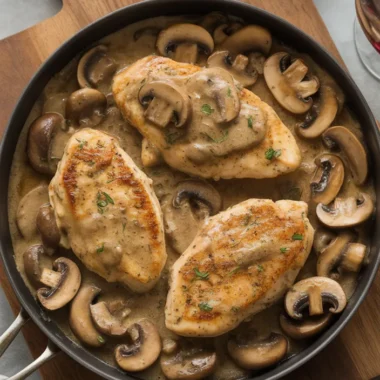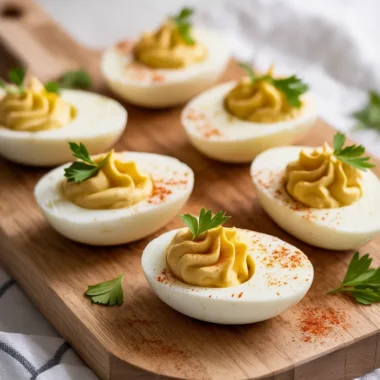
I’m sharing a Pan Fried Salmon dressed in a lemon dill cream sauce with a single unexpected pantry ingredient that changes the dish in a surprising way.
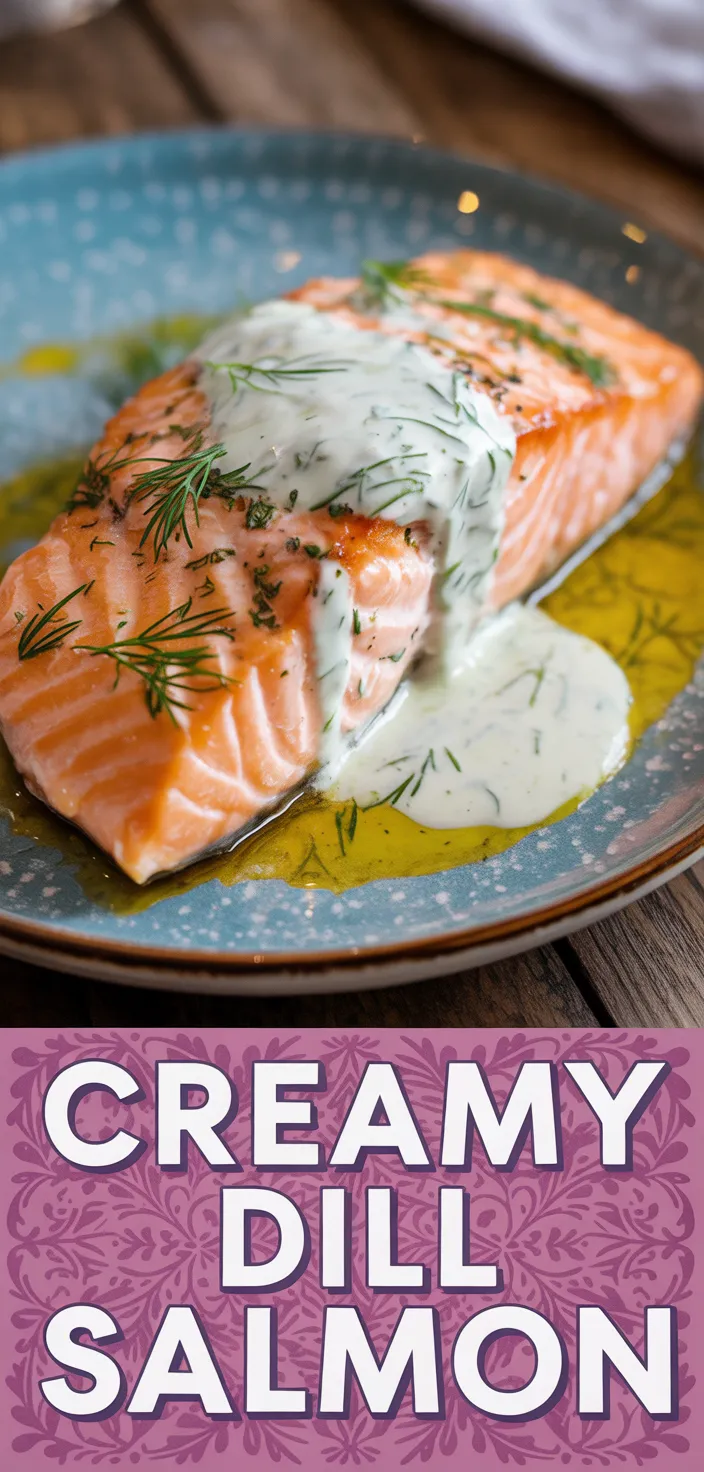
Whenever I want a simple yet fancy weeknight supper I go for salmon with lemon and a hit of fresh dill. I love how Pan Fried Salmon gets a crisp edge while the inside stays silky, and that bright lemon note keeps everything lively.
This version sits right between comfort and showy, the flavors feel luxurious but not fussy, people always notice. I scribble it into my notebook under Dill Salmon Recipes because guests keep asking whats different, and honestly I like that it looks like more effort than it takes.
Try it when you want to impress without sweating.
Ingredients
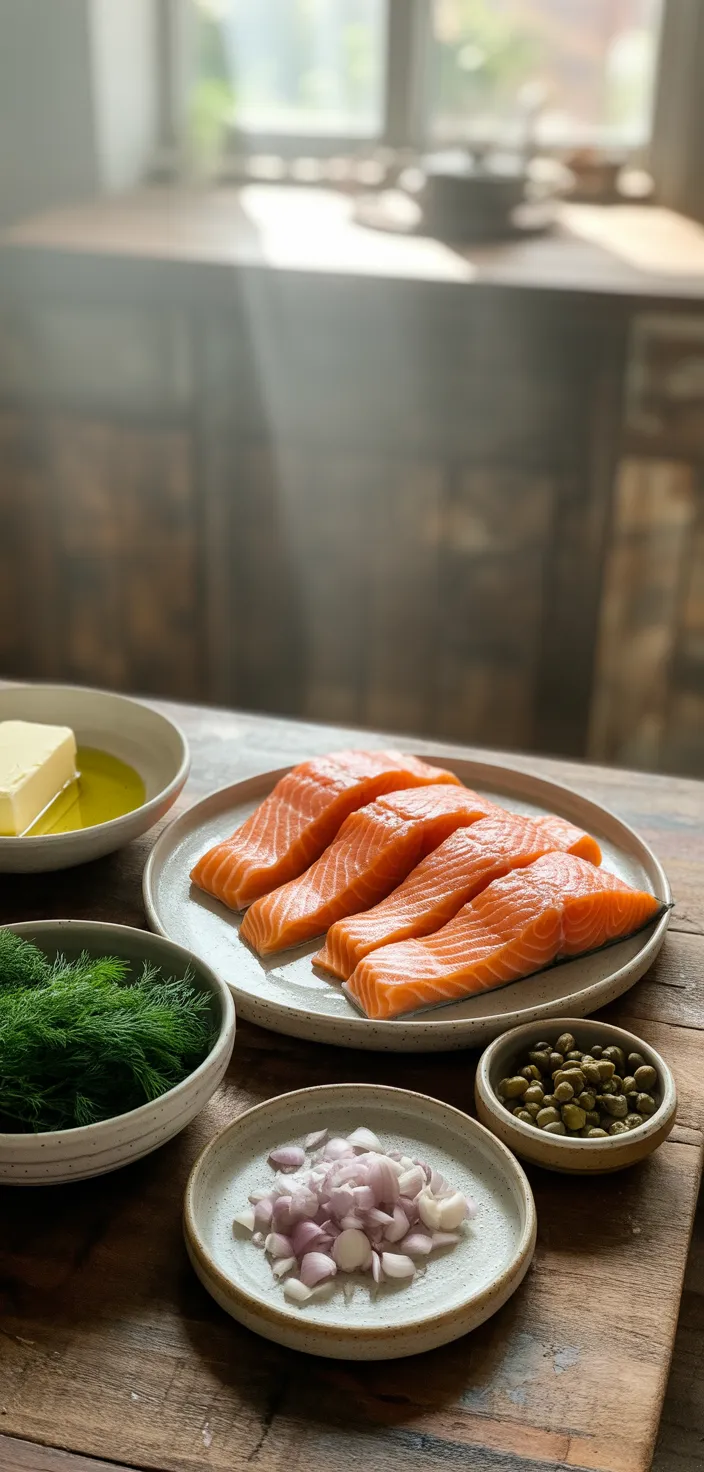
- Salmon: high protein omega three fats supports heart health mild clean flavor
- Dill: fresh herb bright anise like flavor low cal adds freshness and aroma
- Lemon: tart citrus adds acidity to cut richness vitamin C boost
- Heavy cream: silky rich sauce high fat and calories use sparingly if watching calories
- Garlic: pungent aromatic adds savory depth may support immune health
- Capers: briny pops of flavor add salty tang and brightness to sauce
- Dijon mustard: tangy slight heat helps emulsify sauce reduces need for extra salt
- Shallot: mellow oniony sweetness adds subtle savory layers when softened gently
Ingredient Quantities
- 4 salmon fillets (about 6 oz / 170 g each; roughly 1.5 lb / 700 g total), skin on or off, your choice
- Kosher salt and freshly ground black pepper, to taste
- 2 tablespoons olive oil (for searing)
- 2 tablespoons unsalted butter, divided (1 for the pan, 1 for the sauce)
- 1 small shallot, finely chopped (about 2 tablespoons)
- 2 garlic cloves, minced
- 1/3 cup dry white wine or low sodium chicken broth (80 ml), your pick
- 3/4 to 1 cup heavy cream (180 to 240 ml), use 1 cup for a richer sauce
- 1 tablespoon Dijon mustard
- Juice of 1 lemon (about 2 tablespoons) and 1 teaspoon lemon zest
- 2 tablespoons fresh dill, chopped, plus extra for garnish
- 1 tablespoon capers, drained (optional but nice)
- Fresh parsley for garnish (optional)
- 1 teaspoon cornstarch mixed with 1 tablespoon water, optional for thicker sauce
How to Make this
1. Pat the salmon dry and season both sides with kosher salt and freshly ground black pepper.
2. Heat a large skillet over medium high heat, add 2 tablespoons olive oil and 1 tablespoon unsalted butter. When the fat is hot and shimmering, place the salmon in the pan skin side down if it has skin, press down for about 20 seconds so the skin makes good contact, then sear 4 to 5 minutes until the skin is crisp and the flesh at the edge turns opaque. Flip and cook 2 to 4 more minutes depending on thickness until it’s about 125 to 130 F for medium, or cook to your liking. Remove salmon to a plate and tent loosely.
3. Lower heat to medium and add the remaining 1 tablespoon butter to the same pan. Add the finely chopped shallot and sauté 1 to 2 minutes until softened, then add the minced garlic and cook about 30 seconds until fragrant.
4. Pour in 1/3 cup dry white wine or low sodium chicken broth and scrape up the browned bits from the bottom of the pan. Let it simmer 1 to 2 minutes until it reduces slightly.
5. Stir in 3/4 to 1 cup heavy cream (use 1 cup for a richer sauce), 1 tablespoon Dijon mustard, the juice of 1 lemon and 1 teaspoon lemon zest. Bring to a gentle simmer and cook 2 to 3 minutes until the sauce starts to thicken.
6. Add 2 tablespoons chopped fresh dill and 1 tablespoon drained capers if using. Taste and adjust salt and pepper. If you want a thicker sauce, whisk 1 teaspoon cornstarch with 1 tablespoon water and stir it in a little at a time, simmering 30 to 60 seconds until it reaches the thickness you like.
7. Return the salmon to the pan, spoon the lemon dill cream sauce over each fillet and warm through for about 1 minute so the fish finishes cooking and soaks up some sauce.
8. Plate the salmon, spoon more sauce on top, garnish with extra fresh dill and chopped parsley if you like, serve immediately with lemon wedges. Don’t overcook the fish, and enjoy while it’s warm and silky.
Equipment Needed
1. Large heavy skillet (10 to 12 inch), nonstick or stainless steel works best
2. Fish spatula or silicone‑tipped tongs for flipping the fillets
3. Instant read thermometer to check salmon doneness
4. Measuring cups and spoons for wine, cream, mustard and lemon
5. Chef’s knife and cutting board for shallot, garlic and herbs
6. Small bowl and spoon for mixing the cornstarch slurry
7. Wooden spoon or heatproof spatula to scrape up browned bits
8. Plate and foil or a loose tent to rest the salmon plus paper towels to pat it dry
FAQ
Creamy Dill Salmon Recipe Substitutions and Variations
- Salmon: swap for steelhead trout or Arctic char, same weight and cook time; if you want a leaner fish try cod or halibut but cook a bit less so it doesnt dry out.
- Heavy cream: use 3/4 cup half and half plus 2 tbsp melted butter per cup for similar richness, or full fat coconut milk for dairy free (will have a slight coconut taste), or whisk Greek yogurt with a little milk off the heat to avoid curdling.
- Dry white wine: replace with low sodium chicken broth 1:1, or dry vermouth, or white grape juice plus 1 tsp white vinegar for brightness; alcohol free and still flavorful.
- Fresh dill: substitute with tarragon or chives for a similar herb brightness, or flat leaf parsley plus extra lemon if you want milder flavor; if using dried dill use about 1 tsp dried for each tbsp fresh.
Pro Tips
1) Salt timing matters. If you got 20–30 minutes, salt the fish early so the surface dries a bit and the skin will get crispier. If you dont have time, salt just before you sear it, either way pat it super dry with paper towels.
2) Use a high smoke point oil and only add a little butter for flavor once the pan isnt screaming hot. Too much butter up front burns, but a knob added later gives the sauce and pan those tasty browned bits. Also press skin against the pan for the first few seconds so it makes full contact.
3) Buy an instant read thermometer. Pull the salmon from the pan a few degrees under your target since the carryover heat will finish it. This is the easiest way to avoid dry overcooked fish, trust me.
4) For a silky sauce, keep heat gentle. Add lemon and mustard near the end so the cream doesnt break, and if the sauce looks grainy or split, whisk in a tablespoon of cold butter off the heat to bring it back together. Cornstarch slurry works for thickening but add it slowly so you dont overdo it.
5) Little finishes make it feel restaurant-level. Warm the plates or hold cooked fillets in a 175–200 F oven for a few minutes while you finish the sauce, zest a tiny bit more lemon on top, and add fresh dill right before serving so it tastes bright. If you want more bite use extra capers or a quick squeeze of lemon at the table.
Creamy Dill Salmon Recipe
I’m sharing a Pan Fried Salmon dressed in a lemon dill cream sauce with a single unexpected pantry ingredient that changes the dish in a surprising way.
4
servings
680
kcal
Equipment: 1. Large heavy skillet (10 to 12 inch), nonstick or stainless steel works best
2. Fish spatula or silicone‑tipped tongs for flipping the fillets
3. Instant read thermometer to check salmon doneness
4. Measuring cups and spoons for wine, cream, mustard and lemon
5. Chef’s knife and cutting board for shallot, garlic and herbs
6. Small bowl and spoon for mixing the cornstarch slurry
7. Wooden spoon or heatproof spatula to scrape up browned bits
8. Plate and foil or a loose tent to rest the salmon plus paper towels to pat it dry
Ingredients
-
4 salmon fillets (about 6 oz / 170 g each; roughly 1.5 lb / 700 g total), skin on or off, your choice
-
Kosher salt and freshly ground black pepper, to taste
-
2 tablespoons olive oil (for searing)
-
2 tablespoons unsalted butter, divided (1 for the pan, 1 for the sauce)
-
1 small shallot, finely chopped (about 2 tablespoons)
-
2 garlic cloves, minced
-
1/3 cup dry white wine or low sodium chicken broth (80 ml), your pick
-
3/4 to 1 cup heavy cream (180 to 240 ml), use 1 cup for a richer sauce
-
1 tablespoon Dijon mustard
-
Juice of 1 lemon (about 2 tablespoons) and 1 teaspoon lemon zest
-
2 tablespoons fresh dill, chopped, plus extra for garnish
-
1 tablespoon capers, drained (optional but nice)
-
Fresh parsley for garnish (optional)
-
1 teaspoon cornstarch mixed with 1 tablespoon water, optional for thicker sauce
Directions
- Pat the salmon dry and season both sides with kosher salt and freshly ground black pepper.
- Heat a large skillet over medium high heat, add 2 tablespoons olive oil and 1 tablespoon unsalted butter. When the fat is hot and shimmering, place the salmon in the pan skin side down if it has skin, press down for about 20 seconds so the skin makes good contact, then sear 4 to 5 minutes until the skin is crisp and the flesh at the edge turns opaque. Flip and cook 2 to 4 more minutes depending on thickness until it’s about 125 to 130 F for medium, or cook to your liking. Remove salmon to a plate and tent loosely.
- Lower heat to medium and add the remaining 1 tablespoon butter to the same pan. Add the finely chopped shallot and sauté 1 to 2 minutes until softened, then add the minced garlic and cook about 30 seconds until fragrant.
- Pour in 1/3 cup dry white wine or low sodium chicken broth and scrape up the browned bits from the bottom of the pan. Let it simmer 1 to 2 minutes until it reduces slightly.
- Stir in 3/4 to 1 cup heavy cream (use 1 cup for a richer sauce), 1 tablespoon Dijon mustard, the juice of 1 lemon and 1 teaspoon lemon zest. Bring to a gentle simmer and cook 2 to 3 minutes until the sauce starts to thicken.
- Add 2 tablespoons chopped fresh dill and 1 tablespoon drained capers if using. Taste and adjust salt and pepper. If you want a thicker sauce, whisk 1 teaspoon cornstarch with 1 tablespoon water and stir it in a little at a time, simmering 30 to 60 seconds until it reaches the thickness you like.
- Return the salmon to the pan, spoon the lemon dill cream sauce over each fillet and warm through for about 1 minute so the fish finishes cooking and soaks up some sauce.
- Plate the salmon, spoon more sauce on top, garnish with extra fresh dill and chopped parsley if you like, serve immediately with lemon wedges. Don’t overcook the fish, and enjoy while it’s warm and silky.
Notes
- Below you’ll find my best estimate of this recipe’s nutrition facts. Treat the numbers as a guide rather than a rule—great food should nourish both body and spirit. Figures are approximate, and the website owner assumes no liability for any inaccuracies in this recipe.
Nutrition Facts
- Serving Size: 280g
- Total number of serves: 4
- Calories: 680kcal
- Fat: 57g
- Saturated Fat: 19g
- Trans Fat: 0.2g
- Polyunsaturated: 4g
- Monounsaturated: 33.8g
- Cholesterol: 135mg
- Sodium: 500mg
- Potassium: 880mg
- Carbohydrates: 5g
- Fiber: 0.5g
- Sugar: 2g
- Protein: 36g
- Vitamin A: 300IU
- Vitamin C: 6mg
- Calcium: 60mg
- Iron: 1.4mg